Podcast Episode: Awakening To Cosmic Consciousness & Telepathic Communication With ETs

Energetically, butterfly supports carrying a playful, light-hearted sense of detachment during our everyday doings.
Isn’t it mind boggling to watch their apparent labor of love by constantly flitting about and sewing the seeds of love?
And yet, Butterfly consciousness holds up a mirror to awaken a real felt sense perceptible experience of levity embodying joy and light.
I watched a butterfly do this the other day…flying around tirelessly, landing on flowers, taking off and not appearing to have a concern in the world about the seemingly endless amount of work to be done or the uncertainty of what might come next on the endless honey-do list.
As I watched in awe, I experienced a shift as my own vibe lightened up.
Seeing them doing their thing invites Socratic self-reflective questions about where we might be landing on the map of consciousness at this moment in time.
Are you in the egg stage of an idea (beginning), the larva stage (manifestation), the cocoon stage (program development) and/or the final stage (transformation)?
Butterfly breathes in an air of creativity to get the juices flowing.
During times of more sunlight and warmer temperatures, movement out in Nature floats to the natural rhythm of Butterly magic.
May this experience give pause to an allowing for gentle growth that is sweet like the fragrant scent of flowers.
May All Beings Awaken To Planetary And Universal Peace,
Ari

Pip: Classroom Mothership Earth — where the spirit guides show up before the alarm clock does, and honestly, same energy.
Mara: Today we’re covering work by Ari Joshua Bouse, and the territory is emotional navigation — how a spirit animal from the natural world becomes a practical tool for staying grounded when the larger world is burning.
Pip: Let’s start with Duck.
Mara: The question this post is sitting with is a real one: how do we regulate our emotional lives when the noise outside keeps getting louder — eclipse seasons, political fires, the general churn of a world in transition?
Pip: The post sets up Duck not as a metaphor but as an active guide, and the framing is direct: “When we allow Duck’s Chi to paddle into our souls, we are given emotional comfort and protection. We are in our element with water and given assistance while floating in the astral and emotional realms.”
Mara: So the upshot is that Duck’s energy is practical, not decorative. It offers a specific set of tools — balance, adaptability, the ability to let things roll off your back when pressure builds.
Pip: And the pressure in this post is not abstract. There is a pointed aside about the military-industrial complex that could benefit from some Duck-based curriculum. Which, fair.
Mara: The post doesn’t stay in the personal for long. It moves outward — to the way media keeps us locked in ego-centered debate, to the way capitalism and socialism get framed as opposites when they may be two faces of the same structure. The argument is that the same emotional suppression happening inside individuals is mirrored in how societies organize themselves.
Pip: Right — the anxious mind that sleepwalks through its own life and the political system running on distraction are described as the same pattern at different scales.
Mara: The post puts it plainly: “When we are identified with our minds, an endless sea of mental concepts and incessant accompanying emotional reactions are typically dominated by unrealized anxiety. And this hypnotic trance has a tendency to propagate a sleep walk through life.”
Pip: That is a real diagnosis, and Duck is offered as a genuine antidote — not a luxury, not a retreat. The post closes by naming what Duck actually delivers: balance, emotional comfort, adaptability, and a return to safe ground when things get heated.
Mara: And it costs nothing. The post is explicit that Duck is a free guide — no bill at the end of the consultation.
Pip: So the invitation is to treat the natural world as a working resource for emotional life, not just scenery.
Mara: And to notice that the inner work and the outer work are the same project.
Pip: August arrives with grain harvests, eclipses, and a moon named after a very large fish — which honestly sounds like the universe decided to pack a lot into one calendar page.
Mara: This episode draws on Ari Joshua Bouse’s recent posts for Classroom Mothership Earth, covering the seasonal and astrological energies of August — Lammas, eclipse season, Leo’s New Moon, and the Full Sturgeon Moon in Pisces. Let’s start with the whole sweep of what August is actually asking of us.
Pip: August opens with Lammas, a harvest midpoint honored by ancestors in the Northern Hemisphere, and then barely pauses before stacking two eclipses, a New Moon in Leo, and a Full Moon in Pisces into the same calendar month. The question the post is really sitting with is: how do you move through that much cosmic pressure without white-knuckling it?
Mara: The post opens with a Gandhi epigraph that sets the whole tone — “If we could change ourselves, the tendencies in the world would also change. We need not wait to see what others do.”
Pip: That framing matters because the post isn’t treating eclipses as things that happen to you. It’s treating them as invitations — specifically, chances to release what it calls the heavy luggage passed down by ancestors, so you can become the change you want to see.
Mara: The post describes eclipse seasons as “major cosmic reset periods that trigger rapid personal growth and sudden life changes,” and it’s careful to add that there’s nothing superstitious about that framing. The language is more about being guided than being controlled.
Pip: And then the Leo New Moon on August 12th arrives via a Total Solar Eclipse. The post calls new moons during eclipses “new moons on steroids” — amplifying new beginnings, identity shifts, sudden breakthroughs.
Mara: Leo’s energy, the post notes, thrives on visibility and praise, but the more interesting moment is when the spotlight finds you and you still feel at a loss. The post is honest that feedback, not just admiration, is what actually fuels creativity and confidence.
Mara: Then August closes with a Partial Lunar Eclipse in Pisces on the 28th, illuminating the Full Sturgeon Moon. Sturgeons can live over a century, grow to twenty feet, and weigh nearly a ton — the post uses that resilience directly as a meditation on surviving challenging times, including what it calls the deeper waters of Climate Change.
Pip: The closing instruction is genuinely disarming: let go of the oars.
Mara: The thread running through all of this is that the season’s intensity — harvest, eclipse, release — is an invitation rather than a threat.
Pip: Let go of the oars, trust the sturgeon, and we’ll see what the next tide brings.
“If we could change ourselves, the tendencies in the world would also change… We need not wait to see what others do.”
–Ghandi
August kicks off on the 1st with the Lammas, which our ancestors honored as a marker for the first grain harvest in the Northern Hemisphere. The Lammas celebrates the approximate mid-point of summer between the Summer Solstice and Fall Equinox, and gratitude for the bounty of food the earth provides.
In the Southern Hemisphere, it will be the Imbolc, or the approximate mid-point between the Winter Solstice and Spring Equinox. At this time, it’s as if the seeds underground are starting to think about waking up in their neck of the woods.
Wherever you are on the Planet, astrological eclipse seasons are major cosmic reset periods that trigger rapid personal growth and sudden life changes, which represent karmic past and spiritual identity.
Nothing to be superstitious about. Sometimes, especially during eclipses, it might feel like we are tempted by fate. During times like these, it can feel like we are being guided rather than in control of our destiny.
And yet, we can transform the heavy luggage that has been passed down to us by our ancestors by letting it go and giving it back . . . So that we can become the change we want to see in the world.
In much the same way as letting go of any dark edges of old selves, we can release and envelop old stories in the Mirror of the Mind meditations.
We can consciously work with the energies of eclipses that have the power to permanently close doors that no longer serve our spiritual evolution. Picture them sealed up in a black hole where they can transform into the light.
Eclipse season is a friendly universal reminder to nudge us back on the path of deeper and higher soul purposes. Their energies inspires us to let go of stagnant habits, emotional baggage, and limiting beliefs.
Furthermore, a Total Solar Eclipse on August 12th kicks off the final leg of 2026 seasonal eclipses by way of a New Moon in Leo. The energies of this New Moon are fuel injected by the Solar Eclipse. New Moons are always associated with new beginnings.
Keep in mind that new moons during eclipses are like new moons on steroids.
Moreover, these energies amplify radical new beginnings, light a spark of external changes, sudden breakthroughs, and unexpected shifts in identity. Talk about a Thunder Road, if you’ll pardon the Boss pun.
Leo’s energy loves the spotlight and thrives on feeling safe in moments that allows Leo to impress and receive praise and admiration from others. That’s a natural state for them.
But what about when the red carpet is rolled out, the spotlight shines brightly on your soul, and you are still feeling at a loss?
Like Leo, this writer can relate to having a hard time with criticisms.
If we can accept feedback however, we can use it for visibility, creativity, confidence, and self-expression. Deep meditation can be a good ally during this process.
And then on August 28th, a Partial Lunar Eclipse in Pisces shines on a Full Sturgeon Moon. These energies trigger internal emotional releases, exposing hidden truths and serves as a catalyst to break toxic patterns or relationships.
Keep in mind that Full Moons during Lunar Eclipses are like Full Moons on steroids.
Like a sturgeon’s spiritual significance, we can awaken the power of resiliency by trusting the flow of life, and surrender to the changing tides of universal oceanic waves.
Setting aside time for non-linear, non-localized and non-productivity is truly important, especially during intense energies. Some folks like to take a forrest bath, so to speak. Getting out in Nature, connecting with the animals and nature spirits is good energy medicine.
If you’re into rocks, it’s always a good idea to recharge them outside under the Full Moon cycle which lasts a few days before and after the actual Full Moon.
Do whatever you can to rest so that you can effectively integrate the energies of this last eclipse season of the year.
Remember that the aftershocks of the Eclipse season can be felt for quite some time.
Try not to push the river. Rather, let go of the oars and let the flow of the Universe guide you to wherever you need to go.
Pisces energy associated wiht this full moon breathes in sensitivity and perceptiveness of surroundings. The Fish love to go with the flow. Yet paradoxically, engaging in creative and spiritual forms, awakens imaginative waters. This lunar eclipse releases illusion, boundaries, and emotional truth.
Remember that Sturgeons are tough fish that can live over a century, grow up to 20 feet, and tip the scales by weighing nearly a ton. They are the largest freshwater fish, and have especially thrived in the American Great Lakes.
Their peak catch is traditionally in early August, which is in alignment with the harvest of plentiful seasonal crops that are on their way. As such, their energies reflect abundance that want to yield to your bounty.
Because of their natural ability to survive and thrive, meditation on the energy of sturgeon can help you build resilience in challenging times; particularly in preparation for darker days ahead, and also while diving into the deeper waters of Climate Change.
May all Beings be free from suffering, awaken to God Consciousness, Cosmic Consciousness, Unity Consciousness, Diversity Within Unity, Inner Peace and the Universal Pillars of Love and Truth.
Ari
Pip: Classroom Mothership Earth — where the astrological, the political, and the deeply personal all share one frequency, and somehow it holds together.
Mara: Today we’re working through a piece by Ari Joshua Bouse that moves across a lot of terrain — political transition, the Aquarian Age, disclosure, and the spiritual calendar between winter and spring. Let’s start with that overarching question of where we actually are right now.
Pip: The frame here is a moment of overlap — a political transition happening inside a much larger cosmic one, and the question of how those two timescales interact when you’re trying to stay grounded.
Mara: The post anchors that overlap in the seasonal calendar, and near the end it lands on Groundhog Day specifically: “Meditation on the in between times, mystical, mysterious energies, inner planes, echoing silence, void, and heartbeat” are offered as the right callbacks for this moment.
Pip: So the upshot is that Groundhog Day isn’t a punchline here — it’s the midpoint between Winter Solstice and Spring Equinox, and the post treats that threshold as genuinely instructive about how change actually moves.
Mara: Right, and that’s the structural argument running through the whole piece. The political relief of a new administration fades fast — the post is direct about that — because the chattering monkey mind starts up again quickly. The deeper shift is astrological: a move from the Pisces Age to the Aquarian Age, measured in millennia, not election cycles.
Pip: Which is a useful corrective to anyone who thought January 20th was the finish line.
Mara: The post makes a careful point there about the people on different sides of that political moment. It says that most Trump voters “are not Nazis, Klan members or racists” but have been shaped by a divisive mindset that pushes everyone toward an us-versus-them frame — and that neither progressive nor conservative values hold a monopoly on the way forward.
Pip: And then it pivots — genuinely pivots — into UFO disclosure, which lands as less of a detour than you’d expect, because the argument is that ET concern for Earth is tied to humanity’s development of nuclear weapons. The stakes are planetary either way.
Mara: The post treats disclosure as a process, not an event. And it closes with something practical: I-messages, feeling statements, the right to say “I feel offended by that comment” and stand there without having to defend it. Personal authority as the ground-level version of the same sovereignty the post argues for cosmically.
Pip: Spring is underground. It’s firing, just not visible yet — which is maybe the whole thesis in one image.
Mara: The thread through all of this is the in-between — politically, seasonally, cosmically. The darkness isn’t the destination; it’s the passage.
Pip: You can’t get to the light if you won’t go through the dark. We’ll be back with more from Classroom Mothership Earth.

Pip: Classroom Mothership Earth — where the stock market, the moon cycle, and a great blue heron all show up to the same staff meeting.
Mara: Ari Joshua Bouse brings us two posts this week, and they cover real territory: what Bear medicine asks of us when the world tilts toward excess, and what Heron teaches about standing on your own two legs in murky water.
Pip: Let’s start with the bear in the room.
Mara: The central question in Shared Constellations With Bear is whether we know how to go inward — not as retreat, but as a kind of recalibration when the outer world gets loud and grasping.
Pip: The post sets up that contrast directly: “Standing in the space of knowing is a marketing free zone — when we enter the center of a circle, there is nobody to convince or sway.”
Mara: Which is a pretty clean description of what meditation actually does. It removes the audience. You stop performing and start listening.
Pip: Bear Medicine, the post argues, is introspection — and the timing matters. We’re moving toward Winter Solstice, toward yin, toward dimming light. The post reads that as an invitation rather than a loss.
Mara: And it extends that into economics. The Taoist idea of investing in loss gets applied to a Bear market — the suggestion being that our bullish, expansive material emphasis needs its own hibernation. The post asks directly whether greed and arrogance can be allowed to rest.
Pip: Revolutionary zeal without the hate, as it puts it. That’s a tight ask, but the post holds the tension honestly rather than papering over it.
Mara: It also distinguishes prayer from meditation in practical terms — prayer as active and outward, meditation as receptive and inward. Two modes, both necessary, neither sufficient alone.
Pip: And our treatment of bears, the post notes, is a mirror. How we handle the actual animals tells us something about how serious we are about the rest.
Mara: That’s the pivot from inner work to outer consequence — which is exactly where Heron picks up.
Pip: Powered By Blue Heron opens with a Strawberry Full Moon and lands immediately on a question about self-reliance — what it actually looks like when it’s practiced rather than just claimed.
Mara: The post frames it this way: “It is good medicine to hear when to be sharp, understand when to stick your neck out and snatch an opportunity, and know how to stand on your own two legs.”
Pip: That’s rugged individualism described as discernment, not just stubbornness. There’s timing involved.
Mara: Right, and Heron’s physicality carries the argument. Long legs grounded in the earth, wading through murky water — the post uses that image to push back against the idea that spiritual practice means leaving your body behind.
Pip: The post actually names that tendency directly — people traveling into alternate realities while leaving their bodies behind — and Heron is the corrective. Come back. Root down.
Mara: Mercury in Retrograde appears here too, framed as a revisitation of old selves and past relationships — not as disruption but as information. The question it surfaces is who you want to become now.
Pip: And the post makes room for the generalist. In a world of specialization, it argues we need people who can see the big picture — “many roads to get to your destination” is how it puts it.
Mara: Heron’s final move is perspective. The post describes it as flying away from a “that’s just the way we’ve always done it” mentality into, as it says, “shores of infinite solution-focused possibilities.”
Pip: Bear goes inward to find stillness. Heron comes back out and wades forward anyway.
Mara: That’s the through line — and probably a good place to sit with it.
Pip: Bear and Heron, inward and outward — the posts keep circling the same question from different angles.
Mara: How do you stay grounded when the world is noisy, and how do you move when the water is murky. More of that next time.
Hi Folks! Mercury in Retrograde goes back direct today. As my wise old spiritual counselor Leo would say, keep in mind that the mental fog tends to lift & clear up over the next 10 days or so. Also, be patient with left brain cognition & machines as they come back online during this time. In the meantime, please enjoy this new AI 2 person podcast as an appetizer for my newest book:
Ladies and Gentlemen…Introducing AI Podcast Characters Pip & Mara On Ari’s Multimedia Writing:
Pip: Climate grief, ancestral memory, and the kind of soul wounds that don’t show up on an X-ray — Classroom Mothership Earth is not pulling punches this week.
Mara: Ari Joshua Bouse has been publishing through Edge of Humanity Magazine, and the work lands squarely on climate change, trauma, and what we carry from those who came before us. Let’s start with the new published material and what it’s actually doing.
Pip: The through-line across these pieces is a question worth sitting with: what does climate change cost us emotionally, spiritually, and across generations — not just ecologically?
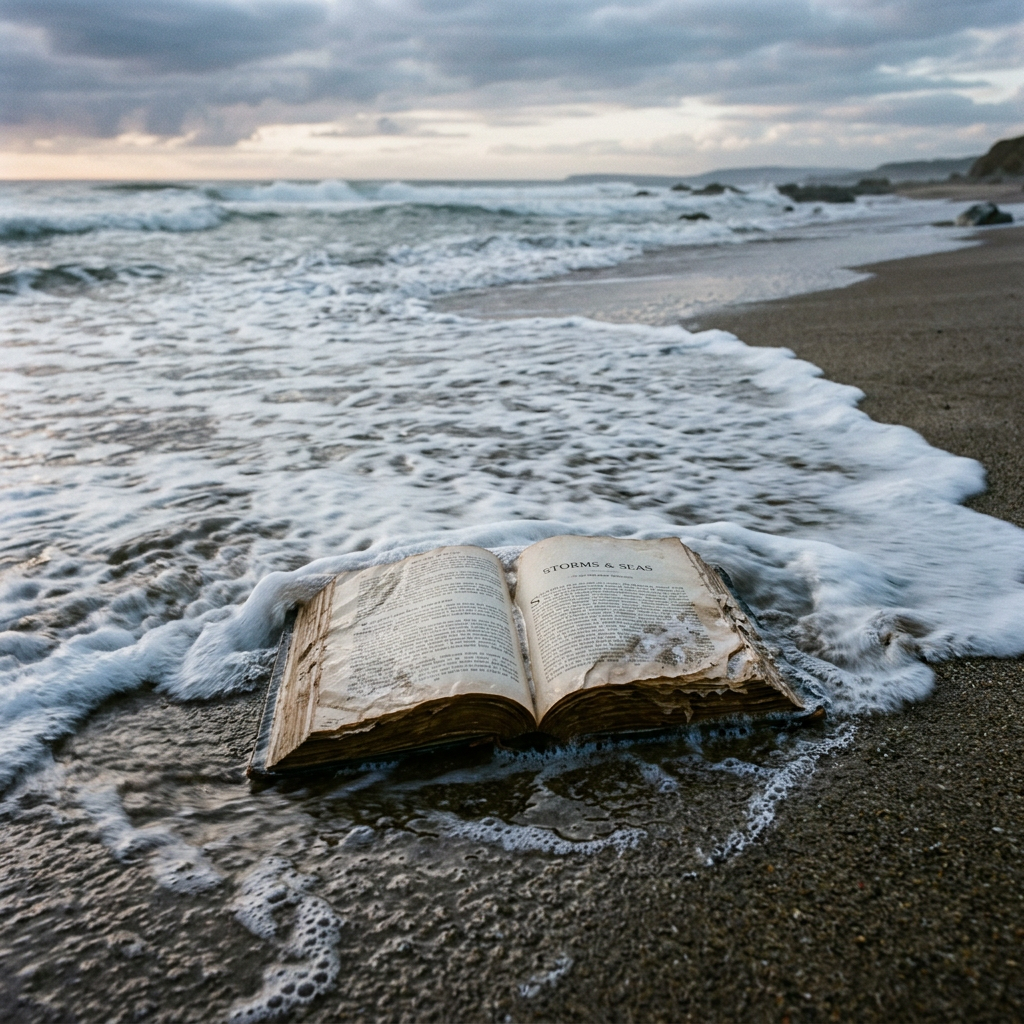
Mara: The series is titled “A Novel Read into the New Shorelines of Climate Change,” and the post announces it plainly: “Please see my newly published writings via Edge of Humanity Magazine.”
Pip: That framing — new shorelines — does real work. Shorelines shift. They don’t vanish cleanly; they encroach. Using that as a metaphor for what climate change does to inner life as much as coastline is a choice worth noticing.
Mara: The series spans three distinct pieces. The first is a poem called “Overcoming Deep Traumatic Soul Wounds” — which puts psychological injury right alongside environmental upheaval, treating them as the same conversation.
Pip: Which they arguably are. The literature on climate grief has been making exactly that case for a decade, and here it’s arriving as verse rather than a journal abstract.
Mara: The second piece, “Weathering Changing Weather Patterns,” shifts register slightly — the title itself is doing double duty, the literal and the internal sitting on top of each other. And the third, “Remembering Our Ancestors,” is another poem, this one pulling the lens back to lineage and what prior generations understood about living with a changing earth.
Pip: So you have trauma, adaptation, and ancestral knowledge — three movements that together make something closer to a full emotional map of the climate moment than any single essay could.
Mara: All three sit inside a larger project that Edge of Humanity Magazine is running under that “New Shorelines” banner, which suggests this isn’t a one-off but an ongoing body of work finding its public form.
Pip: Poetry as climate literature — not the most obvious delivery mechanism, but possibly the most honest one.
Mara: The shoreline metaphor keeps expanding the more you sit with it — what’s eroding, what’s being redrawn, what we’re trying to hold onto.
Pip: Next time, more from the edge. Worth watching where those shorelines move.
Please enjoy the previously published poetry excerpts from my latest book at the link below:
Pip: Classroom Mothership Earth — where the owl is always watching, the solstice is always coming, and the political metaphors are never quite finished with you.
Mara: Ari Joshua Bouse brings us into that territory today — spirituality, seasonal transition, and the harder questions about power, information, and what we choose to see in the dark. Let’s start with the owl.
Pip: The frame here is the approaching Winter Solstice — the darkest day on the calendar — and the question of what that darkness asks of us spiritually, personally, and politically.
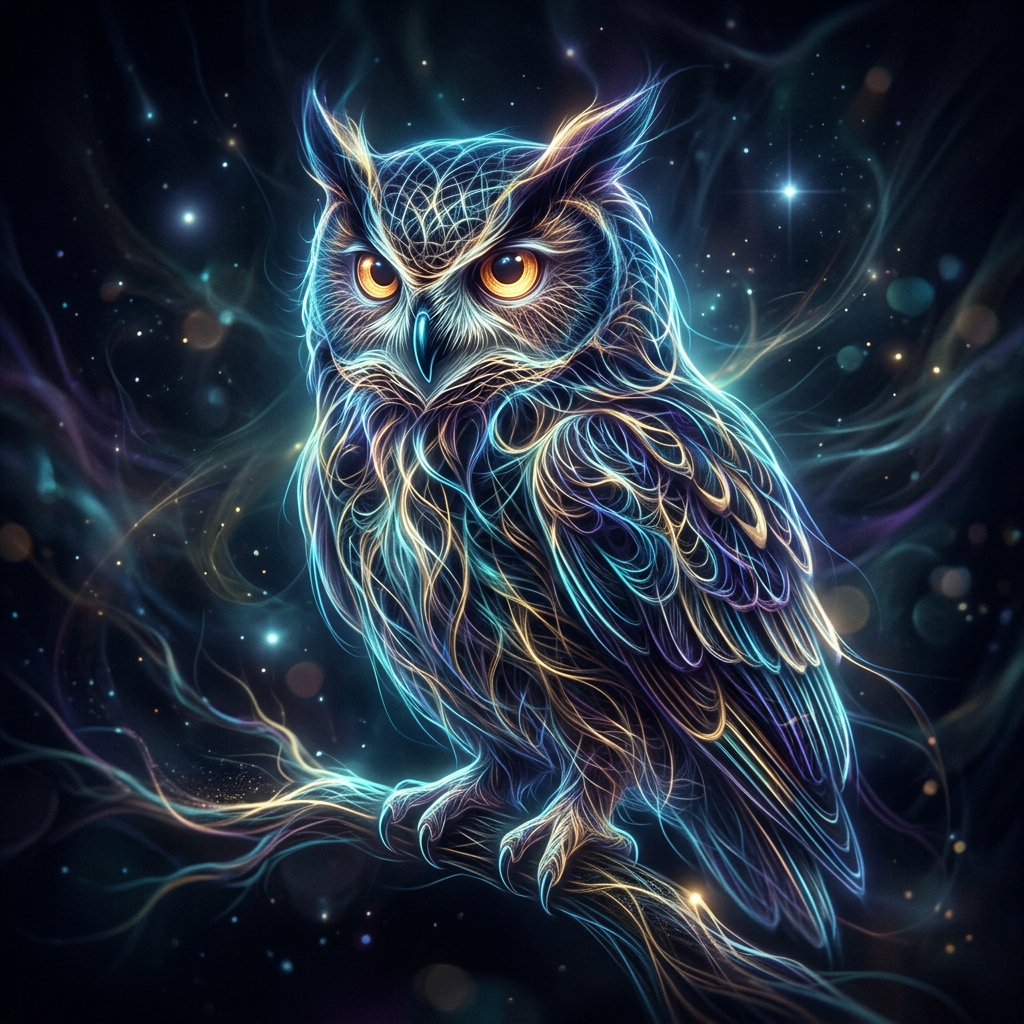
Mara: The post opens with exactly that lens: “Owl peers into dark nights with the light of empathic vision” — and from there it tracks what that vision might illuminate as the year contracts toward its lowest light.
Pip: So the owl isn’t decoration. It’s a way of asking what we can see precisely because we’re willing to look into uncomfortable places — grief, loss, the parts of ourselves that are waning along with the season.
Mara: That personal register runs through the whole piece. There’s a line about saying goodbye to old selves, to loved ones who have passed, to the ghosts of yesteryear — and then a pivot: “Remember a rainbow’s arrival reflects color back onto your soul.”
Pip: The grief gets company. That’s the move.
Mara: And then the post widens the lens considerably — out to the political, to questions about JFK declassification, to what gets suppressed in the name of national security, and whether the spirit of “We the People” is structurally in tension with protecting what the post calls “the minority of the opulent.”
Pip: The owl, it turns out, has opinions about the Military-Industrial Complex. Fair enough — so did a lot of owls in 1963.
Mara: The post holds those threads together by treating them as the same problem: a seductive mindset that believes people are inherently bad and need to be controlled. The prescription is “openness, trust and an authentically heartfelt solution-focused perspective” — and the warning is that apocalyptic thinking, once it’s target-marketed, becomes a self-fulfilling prophecy.
Pip: Which is a genuinely sharp observation. The machinery that profits from fear needs the fear to stay legible and renewable.
Mara: The post asks directly whether exposing establishment suppression is principle or narcissism — and leaves that question open, which feels honest.
Pip: Darkness, vision, what we’re willing to name — that’s the whole season, really.
Mara: Empathic vision as a practice — that’s what ties the personal grief and the political questions together here.
Pip: The owl keeps watch. We’ll see what it spots next time.
Pip: Classroom Mothership Earth — where the dolphins have lesson plans and the moon has opinions about your breathing.
Mara: Ari Joshua Bouse writes here at the intersection of natural cycles, embodied awareness, and the kind of inner work that tends to surface when the season is turning. Today we’re looking at conscious breathing, dolphin intelligence, and what the body already knows.
Pip: Let’s start with the breath itself.
Mara: The post opens with animal wisdom as a frame for self-examination — dolphin as guide, tide as teacher, and the question of whether we’re actually paying attention to any of it.
Pip: The post puts it directly: “Do you need to pay more attention to your intellectual development, or communication issues regarding the psychology of self in relationship?”
Mara: So the upshot is that the dolphin imagery isn’t decoration — it’s a diagnostic. The question is whether your communication patterns, internally and outward, are actually working for you or just running on autopilot.
Pip: And the prescription is almost comically simple, which is maybe the point — pause, breathe, think before speaking. The Military-Industrial Empire gets called out specifically as something that could use a deep exhale.
Mara: The post frames feminine energy as building sustainable momentum “gradually, gently and softly” — a direct counterweight to the force-and-projection model it’s critiquing. Emotional cleansing, dreamtime, releasing old wounds — these aren’t metaphors to set aside; they’re the actual curriculum.
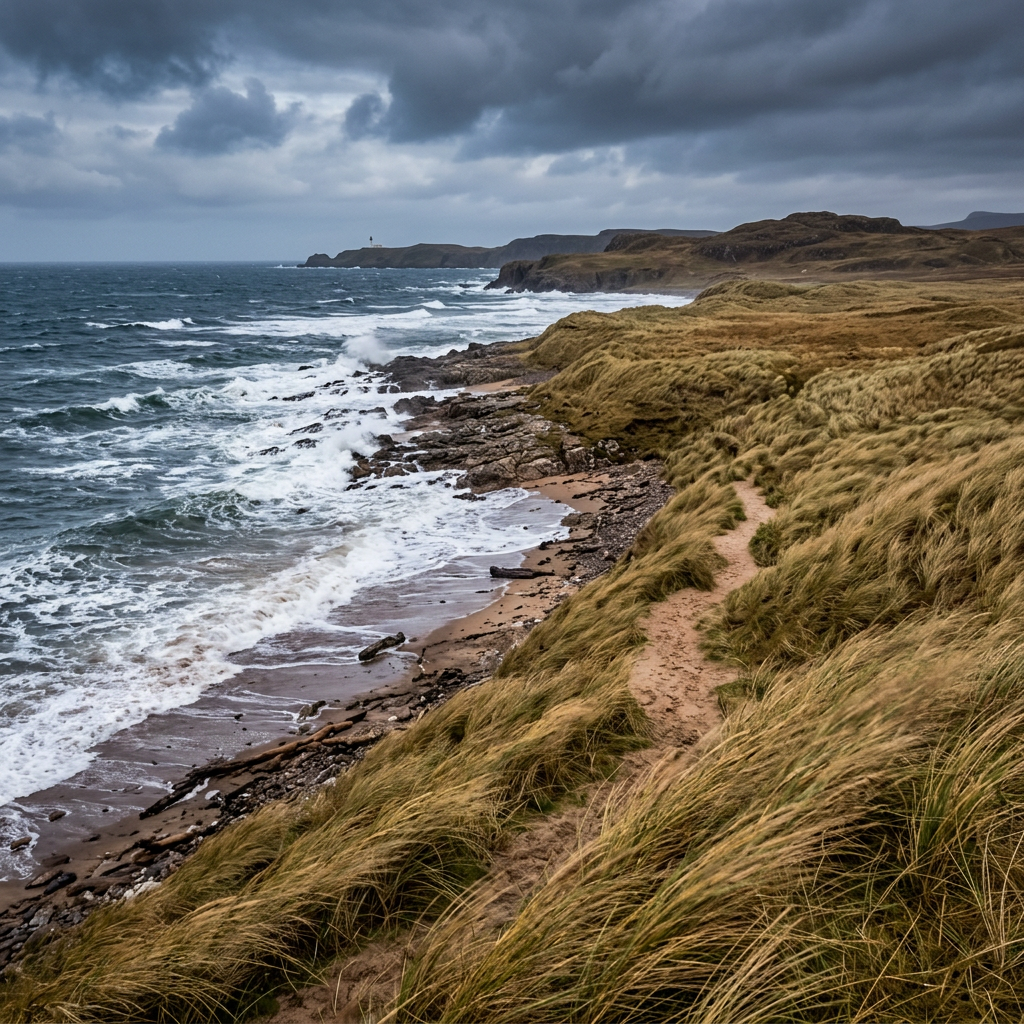
Pip: There’s a seasonal anchor too. A Full Worm Moon, returning earthworms, maple sap beginning to flow, robins arriving. The breath practice lands inside a specific biological moment.
Mara: “Altered states and New Dimensions are accessed when inner sounds reverberate in outer manifestations.” The rhythm of the post mirrors what it’s describing — breath in, breath out, the inner and the outer in sync.
Pip: Right. And the closing image — masculine and feminine energies swimming together in synchronized waves by Spring Equinox — earns its finish. The post signs off: “I hardly think a showcase of collective Olympic gold medals could touch that.”
Mara: That’s the stakes as the post frames them. Not performance, not achievement — just the actual turning of the season, met consciously, with breath intact.
Pip: Which is either very humble or extremely ambitious, depending on how you’re breathing right now.
Mara: The tides, the breath, the seasonal turn — these keep showing up as the real curriculum here.
Pip: More from Classroom Mothership Earth next time. Stay on your board.

