Hi Folks!
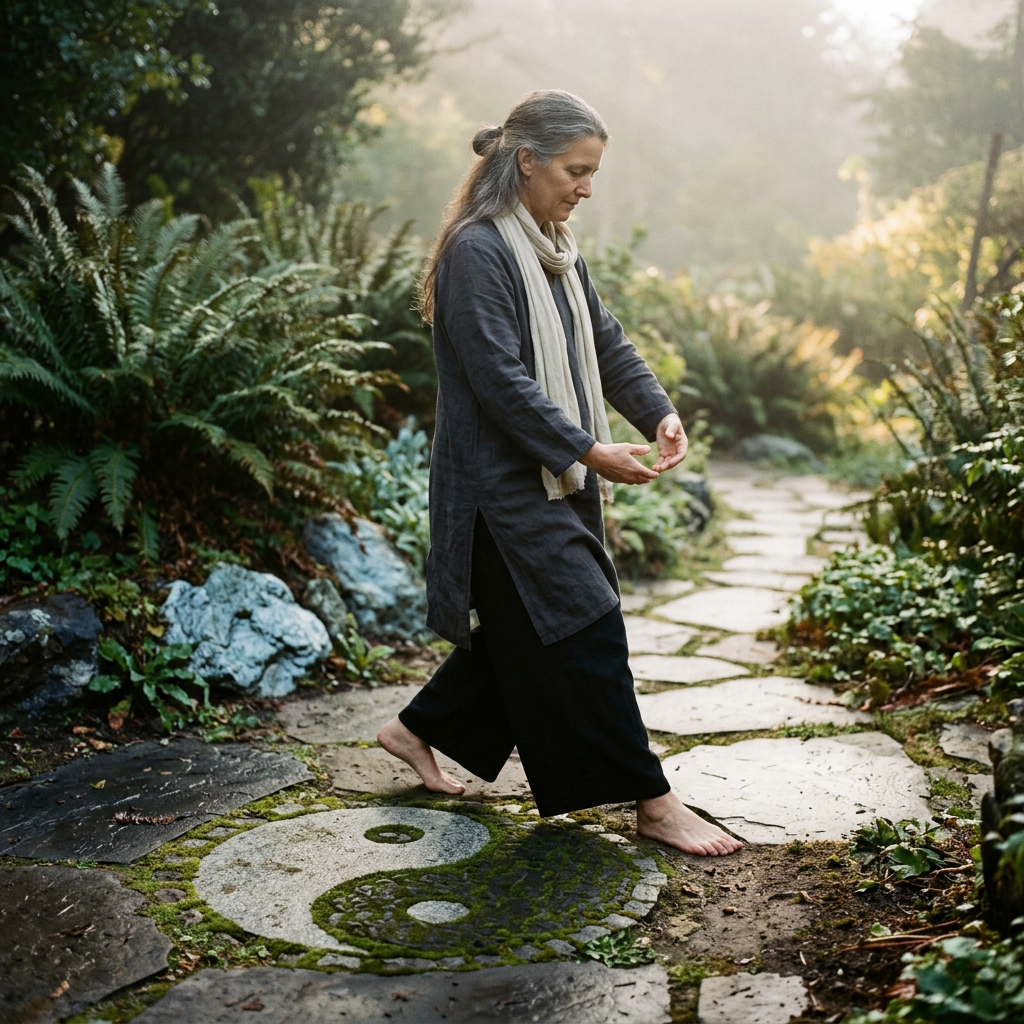
Please enjoy this new recording of one of my favorite self-care rituals that I look forward to as an intensional commitment.
Just an example of a healthy strategy for effective living.
Take care of yourselves everyone,
Ari
Hi Folks!
Please enjoy this new recording of one of my favorite self-care rituals that I look forward to as an intensional commitment.
Just an example of a healthy strategy for effective living.
Take care of yourselves everyone,
Ari

Artwork by Barbara Merlotti
As we take a deep dive into the season of Virgo, may its grounding energy create a sense of order, structure and routine amidst the plethora of chaotic tidal waves manifesting in the theatrical 3D realm.
Virgo season started on August 22nd and will last till September 22nd; marking alignment with the equinoxes taking place on Planet Earth at that time.
When body surfing the waves on the crest of the last eclipse of the season on the Full Sturgeon Moon on August 28th . . .
Keep in mind that Full Moons during Lunar Eclipses are like Full Moons on steroids.
Remember that, during these rapidly shifting ebbs and flows, meditation on resiliency is a trait that humans can awaken with the energy medicine of Sturgeon.
If you can dig on rocks & gemstones…it’s always a good idea to recharge them outside under the Full Moon cycle which lasts a few days before and after the actual Full Moon.
Perhaps a little sea saltwater bath to cleanse and energize them at night during your sleep cycle will support your soul development during the Dreamtime.
Are you noticing how these powerful energies are triggering emotional releases, helping unearth hidden truths and perhaps serving as catalysts to breaking toxic patterns or relationships?
Eclipse seasonal energies and their aftershocks can be felt consciously by a growing body of people; as well as feel powerful and intense.
May we surf these energies so as to feel inspired to let go of stagnant habits, emotional baggage, and limiting beliefs.
And yet, it’s as if Great Spirit prefers providing a gentle nudge to return to our soul purposes.
Truly, it can be hard to perceive that in the throes of Climate Change, not to mention the militaristic and fear mongering cabal that still clings to a Planet of the Apes mindset.
Make no mistakes about the truth that humans are capable of creating beauty and showing our better angels with our humanity.
But we all know the factions of hidden hands that repress free and clean energy, shoot down ET crafts, and then lie to the general public that human made, reverse engineered technology are somehow a demonic threat from another planet.
Besides, people who have been reading this blog know that I don’t demonize demons. Inter-dimensional beings, like demons, don’t fly in spacecrafts or require clean up crews or autopsies after crashes because they aren’t sentient beings.
But if you’re listening to the raving lunatics that are looking for some false flag holy war, then that’s exactly what you’ll hear parroted by the likes of the current American Yale Law School Grad & Vice President from the MidWest.
A New Moon in Virgo on September 11 awakens feelings of safety relating to order and clarity, even in emotions. Tis the season to get organized, and get down to the nuts and bolts of everyday business affairs.
Try being more tolerant and accepting of life’s imperfections. It is better to trust life and let it follow its own path. Not everything must be according to our expectations.
The arrival of the Autumnal Equinox in the Northern Hemisphere or the Vernal Equinox in the Southern Hemisphere will be on September 22nd.
Depending on your planetary location, movement towards cooler temperatures and shorter days or warmer temperatures and longer days will be playing out, respectively.
Energies in the Southern Hemisphere will intensify till climaxing on the Summer Solstice; while Northern Hemisphere energies will turn more yin-ward till reaching their zenith on the Winter Solstice.
Near the end of September, a Full Harvest Moon will happen on September 26th.
Native American and Asian traditional activities include moon-viewing dinners outdoors, harvest blessings, candle-lit gratitude circles, and a Mid-Autumn Festival with mooncakes at this time.
Spending time in meditation, focusing on positive energy, abundance, hope, etc., will be incredibly powerful and healing, not just for ourselves, but the entire planet.
Meditating in a sacred space on a consistent basis builds a growing energetic morphic field.
Group meditation in this way amplifies a field of collective energy.
The power of every individual and groups deepens and heightens our work with cocreative energies that are in alignment with planetary and universal peace consciousness.
Everyone has bias, and of course this is part of the human condition. It isn’t about setting aside our biases, beliefs or judgments.
Rather, it’s about moving beyond them.
Perhaps humanity’s violent and militaristic tendencies are waking us up.
Wars, plotting and scheming, abusive language, temper tantrums and micro-aggressions or even giving someone the cold shoulder are stale old dysfunctional ways of relating to each other that are ready to die and burn in a funeral pyre.
That’s why there is a growing trend of non-violent communication workshops out there so that we can wake up in the ways we relate to each other.
We don’t need to draw our swords and go to war with each other.
Keep in mind that changes in ages are like changes in seasons.
Everything is ephemeral and transitory.
And yet, all life is energetic and sacred nonetheless.
Have you noticed the squirrels, and chipmunks scurrying about,
and foraging like mad in their preparation for winter stockpiles?
It must run in the family, because groundhogs are gorging before
they go to sleep when consistently colder temperatures arrive.
I saw some wild turkeys on a hike the other day, and was reminded of their tendency to steal the winter storage cache of squirrels.
Perhaps they weren’t tickled about turkey’s thievery. But in their industry,
squirrels don’t seem preoccupied with vendettas or the dark and stormy days ahead.
We can stand to learn from them in that way; as in how squirrels balance work and play.
May all Beings be free from suffering and awaken to Planetary and Universal Peace,
Ari
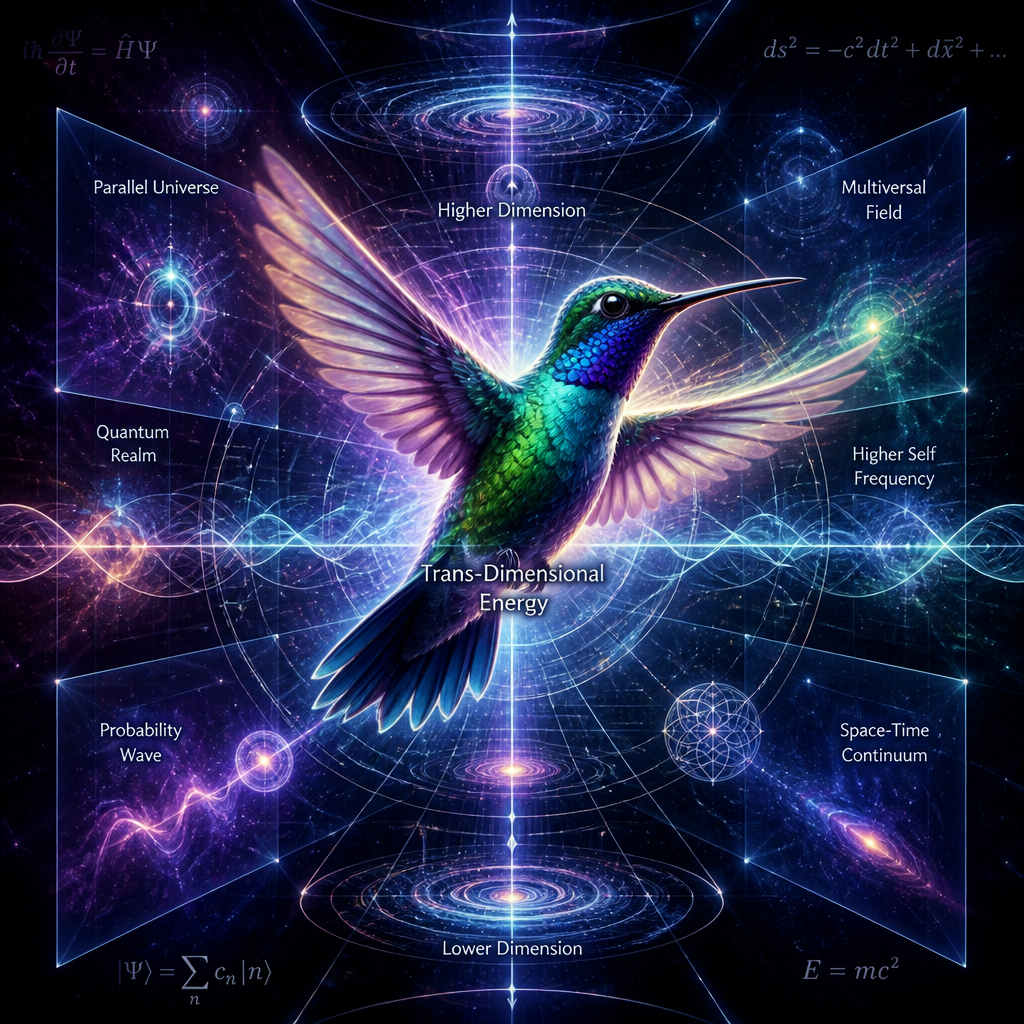
If there is any creature created by Great Spirit that embodies the vibration of joy and light, it’s Hummingbird.
These spirited winged creatures dazzle us like a trans-dimensional craft might.
Remember, there is no fear when no fear is present.
During these sacred encounters, the hum of their wings when hovering reflects effective movement between the physical 3D and spirit realms.
Keep in mind there is an infinitely abundant amount of help bursting at the seams in the spirit realm, if only we ask and allow for ourselves to receive!
Incredibly, the ability to fly in any direction; changing directions spontaneously and instantaneously is nothing short of jaw dropping when watching hummingbirds work their magic.
Is anyone else out there inspired at Hummingbird’s power that such a small creature carries in its stature.
Do you remember the old creation spiritual truth that in the beginning, there was sound?
Meditation on Hummingbird awakens a vibrational shift when humming along.
When life gets heavy, take notes from Hummingbird about how to fly into zones of consciousness that reflect the sweetness of life through a felt sense of joyful lightness.
I’ve been making friends with a family of hummingbirds at our home in the backyard.
Like a trans-dimensional craft powering up, the feeling I get is being winked at by them in a lovingly playful way.
What’s in it for me? A New World if you can take it.
It does feel like the grief and dirge of everyday tragedy is transformed into the light; breathing in the air of levity and awakening an experience of being kissed by bliss.
If Hummingbird flies into your energy field, could it be that a past loved one’s spirit checking in on you?
May All Beings Be Free From Suffering And Experience Joy And Light In Their Consciousness,
Ari
Pip: Classroom Mothership Earth — where the blue jays are spirit guides and the curriculum runs from inner wizardry to planetary consciousness, which honestly sounds like the most interesting school district on Earth.
Mara: Today we’re covering territory from Ari Joshua Bouse — one post that moves between personal spiritual practice and some very large questions about power, disclosure, and what it means to wake up in this particular moment.
Pip: Let’s start with the blue jay.
Mara: The post opens with a striking tension: the gap between how advanced our technology has become and how spiritually underdeveloped we remain as a species — and what it costs us to ignore that gap.
Pip: The post puts it plainly: “energy is energy — it’s what we do with it that counts.” That line is doing a lot of work, sitting right next to a discussion of weaponized technology, governmental coverups, and the demonization of whistleblowers.
Mara: The upshot is that the same human capacity that built atomic weapons could be redirected. The post isn’t just making a spiritual argument — it’s making a political one about who benefits from keeping people spiritually asleep.
Pip: And the Blue Jay enters here not as a cute woodland mascot but as a specific kind of medicine — a crow’s-eye view, the post calls it, that helps people access what it describes as their “true inner wizardry.”
Mara: There’s a real distinction being drawn between spiritual pretenders and genuine mastery. The post asks directly: “Would you rather be a pretender to the throne or a true master?” That question anchors everything else.
Pip: The Wizard of Oz reference lands harder than you’d expect — the man behind the curtain isn’t just a metaphor for self-deception, it’s a stand-in for the Military-Industrial Complex specifically.
Mara: The post connects that to a broader argument about consciousness and cooperation. It closes with a vision where free clean energy ends wars and famine, where universal healthcare and public education are treated as rights, and where the ET presence — framed as spiritually evolved and non-threatening — is part of that larger awakening.
Pip: So the Blue Jay is the entry point, but the destination is Unity Consciousness and a co-creative New Earth. That’s quite a flight path for one bird.
Mara: The post frames it as a personal and collective process both — the Blue Jay within, as it puts it, reveals how to use power “properly and effectively.” Inner work and systemic transformation aren’t separate projects here.
Pip: Which leaves the real question sitting with the listener: what does it actually feel like to start?
Mara: The thread running through all of this is that awakening isn’t passive — it’s a practice with real political stakes.
Pip: Next time, more from Classroom Mothership Earth — wherever the curriculum takes us.

Pip: Classroom Mothership Earth — where the spirit guides show up before the alarm clock does, and honestly, same energy.
Mara: Today we’re covering work by Ari Joshua Bouse, and the territory is emotional navigation — how a spirit animal from the natural world becomes a practical tool for staying grounded when the larger world is burning.
Pip: Let’s start with Duck.
Mara: The question this post is sitting with is a real one: how do we regulate our emotional lives when the noise outside keeps getting louder — eclipse seasons, political fires, the general churn of a world in transition?
Pip: The post sets up Duck not as a metaphor but as an active guide, and the framing is direct: “When we allow Duck’s Chi to paddle into our souls, we are given emotional comfort and protection. We are in our element with water and given assistance while floating in the astral and emotional realms.”
Mara: So the upshot is that Duck’s energy is practical, not decorative. It offers a specific set of tools — balance, adaptability, the ability to let things roll off your back when pressure builds.
Pip: And the pressure in this post is not abstract. There is a pointed aside about the military-industrial complex that could benefit from some Duck-based curriculum. Which, fair.
Mara: The post doesn’t stay in the personal for long. It moves outward — to the way media keeps us locked in ego-centered debate, to the way capitalism and socialism get framed as opposites when they may be two faces of the same structure. The argument is that the same emotional suppression happening inside individuals is mirrored in how societies organize themselves.
Pip: Right — the anxious mind that sleepwalks through its own life and the political system running on distraction are described as the same pattern at different scales.
Mara: The post puts it plainly: “When we are identified with our minds, an endless sea of mental concepts and incessant accompanying emotional reactions are typically dominated by unrealized anxiety. And this hypnotic trance has a tendency to propagate a sleep walk through life.”
Pip: That is a real diagnosis, and Duck is offered as a genuine antidote — not a luxury, not a retreat. The post closes by naming what Duck actually delivers: balance, emotional comfort, adaptability, and a return to safe ground when things get heated.
Mara: And it costs nothing. The post is explicit that Duck is a free guide — no bill at the end of the consultation.
Pip: So the invitation is to treat the natural world as a working resource for emotional life, not just scenery.
Mara: And to notice that the inner work and the outer work are the same project.
“If we could change ourselves, the tendencies in the world would also change… We need not wait to see what others do.”
–Ghandi
August kicks off on the 1st with the Lammas, which our ancestors honored as a marker for the first grain harvest in the Northern Hemisphere. The Lammas celebrates the approximate mid-point of summer between the Summer Solstice and Fall Equinox, and gratitude for the bounty of food the earth provides.
In the Southern Hemisphere, it will be the Imbolc, or the approximate mid-point between the Winter Solstice and Spring Equinox. At this time, it’s as if the seeds underground are starting to think about waking up in their neck of the woods.
Wherever you are on the Planet, astrological eclipse seasons are major cosmic reset periods that trigger rapid personal growth and sudden life changes, which represent karmic past and spiritual identity.
Nothing to be superstitious about. Sometimes, especially during eclipses, it might feel like we are tempted by fate. During times like these, it can feel like we are being guided rather than in control of our destiny.
And yet, we can transform the heavy luggage that has been passed down to us by our ancestors by letting it go and giving it back . . . So that we can become the change we want to see in the world.
In much the same way as letting go of any dark edges of old selves, we can release and envelop old stories in the Mirror of the Mind meditations.
We can consciously work with the energies of eclipses that have the power to permanently close doors that no longer serve our spiritual evolution. Picture them sealed up in a black hole where they can transform into the light.
Eclipse season is a friendly universal reminder to nudge us back on the path of deeper and higher soul purposes. Their energies inspires us to let go of stagnant habits, emotional baggage, and limiting beliefs.
Furthermore, a Total Solar Eclipse on August 12th kicks off the final leg of 2026 seasonal eclipses by way of a New Moon in Leo. The energies of this New Moon are fuel injected by the Solar Eclipse. New Moons are always associated with new beginnings.
Keep in mind that new moons during eclipses are like new moons on steroids.
Moreover, these energies amplify radical new beginnings, light a spark of external changes, sudden breakthroughs, and unexpected shifts in identity. Talk about a Thunder Road, if you’ll pardon the Boss pun.
Leo’s energy loves the spotlight and thrives on feeling safe in moments that allows Leo to impress and receive praise and admiration from others. That’s a natural state for them.
But what about when the red carpet is rolled out, the spotlight shines brightly on your soul, and you are still feeling at a loss?
Like Leo, this writer can relate to having a hard time with criticisms.
If we can accept feedback however, we can use it for visibility, creativity, confidence, and self-expression. Deep meditation can be a good ally during this process.
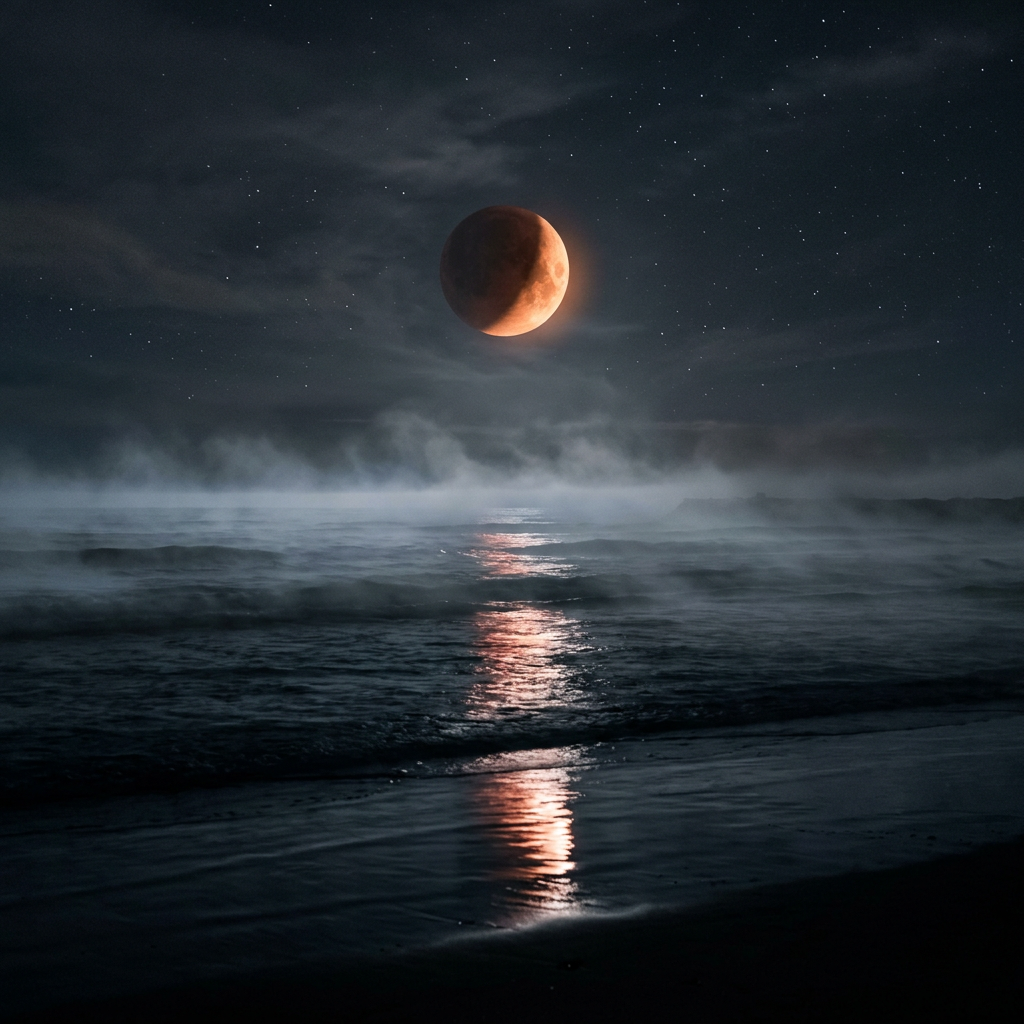
And then on August 28th, a Partial Lunar Eclipse in Pisces shines on a Full Sturgeon Moon. These energies trigger internal emotional releases, exposing hidden truths and serves as a catalyst to break toxic patterns or relationships.
Keep in mind that Full Moons during Lunar Eclipses are like Full Moons on steroids.
Like a sturgeon’s spiritual significance, we can awaken the power of resiliency by trusting the flow of life, and surrender to the changing tides of universal oceanic waves.
Setting aside time for non-linear, non-localized and non-productivity is truly important, especially during intense energies. Some folks like to take a forrest bath, so to speak. Getting out in Nature, connecting with the animals and nature spirits is good energy medicine.
If you’re into rocks, it’s always a good idea to recharge them outside under the Full Moon cycle which lasts a few days before and after the actual Full Moon.
Do whatever you can to rest so that you can effectively integrate the energies of this last eclipse season of the year.
Remember that the aftershocks of the Eclipse season can be felt for quite some time.
Try not to push the river. Rather, let go of the oars and let the flow of the Universe guide you to wherever you need to go.
Pisces energy associated wiht this full moon breathes in sensitivity and perceptiveness of surroundings. The Fish love to go with the flow. Yet paradoxically, engaging in creative and spiritual forms, awakens imaginative waters. This lunar eclipse releases illusion, boundaries, and emotional truth.
Remember that Sturgeons are tough fish that can live over a century, grow up to 20 feet, and tip the scales by weighing nearly a ton. They are the largest freshwater fish, and have especially thrived in the American Great Lakes.
Their peak catch is traditionally in early August, which is in alignment with the harvest of plentiful seasonal crops that are on their way. As such, their energies reflect abundance that want to yield to your bounty.
Because of their natural ability to survive and thrive, meditation on the energy of sturgeon can help you build resilience in challenging times; particularly in preparation for darker days ahead, and also while diving into the deeper waters of Climate Change.
May all Beings be free from suffering, awaken to God Consciousness, Cosmic Consciousness, Unity Consciousness, Diversity Within Unity, Inner Peace and the Universal Pillars of Love and Truth.
Ari

Pip: Classroom Mothership Earth — where the bear is a philosopher, the moon is a market analyst, and somehow it all holds together.
Mara: Today we’re looking at a piece from Ari Joshua Bouse that moves through Bear Medicine, seasonal cycles, inner stillness, and what it means to come back down to earth — in every sense of that phrase.
Pip: Let’s start with the bear.
Mara: This segment lives at the intersection of the natural world and the inner one — Bear as a lens for examining where we are in the cycle of expansion, contraction, and return.
Pip: The post sets up Bear Medicine as a guide for introspection, and then lands this: “Standing in the space of knowing is a marketing free zone. When we enter the center of a circle, there is nobody to convince or sway.”
Mara: So the upshot is that stillness isn’t passive — it’s a place beyond persuasion, beyond the noise of markets and elections and outcomes. That’s the ground the whole piece is standing on.
Pip: And then it gets economic. The post asks whether we remember when the wealthiest Americans paid around a 90% tax rate — right after the stock exchange crashed. Bear market as literal bear market.
Mara: The Taoist framing ties it together. “Investing in loss” means letting the bullish, expansive emphasis go into hibernation — not as defeat, but as a natural rhythm. Winter Solstice isn’t failure; it’s the season for it.
Pip: There’s a real tension the post holds without resolving: do you withdraw, or come out of the cave? It asks both, directly.
Mara: And it distinguishes prayer from meditation along those same lines — prayer as yang, outward, intention-setting; meditation as yin, receptive, listening. “Walking with one foot in spirit and one foot in ground,” as it puts it.
Pip: The political moment is there too — post-election, beyond cheers and jeers — asking whether you can see the good inside all situations. Revolutionary zeal, the post says, but without the hate.
Mara: It closes on bears themselves: our treatment of them mirrors how seriously we take the environment. The animal and the archetype stay linked throughout.
Pip: Patience, plasticity, planted seeds. The cubs want to come out and play — but not yet.
Mara: The thread running through all of it is that contraction is productive — hibernation isn’t absence, it’s preparation.
Pip: Go quiet enough and something starts growing. We’ll see what comes out of the cave next time.
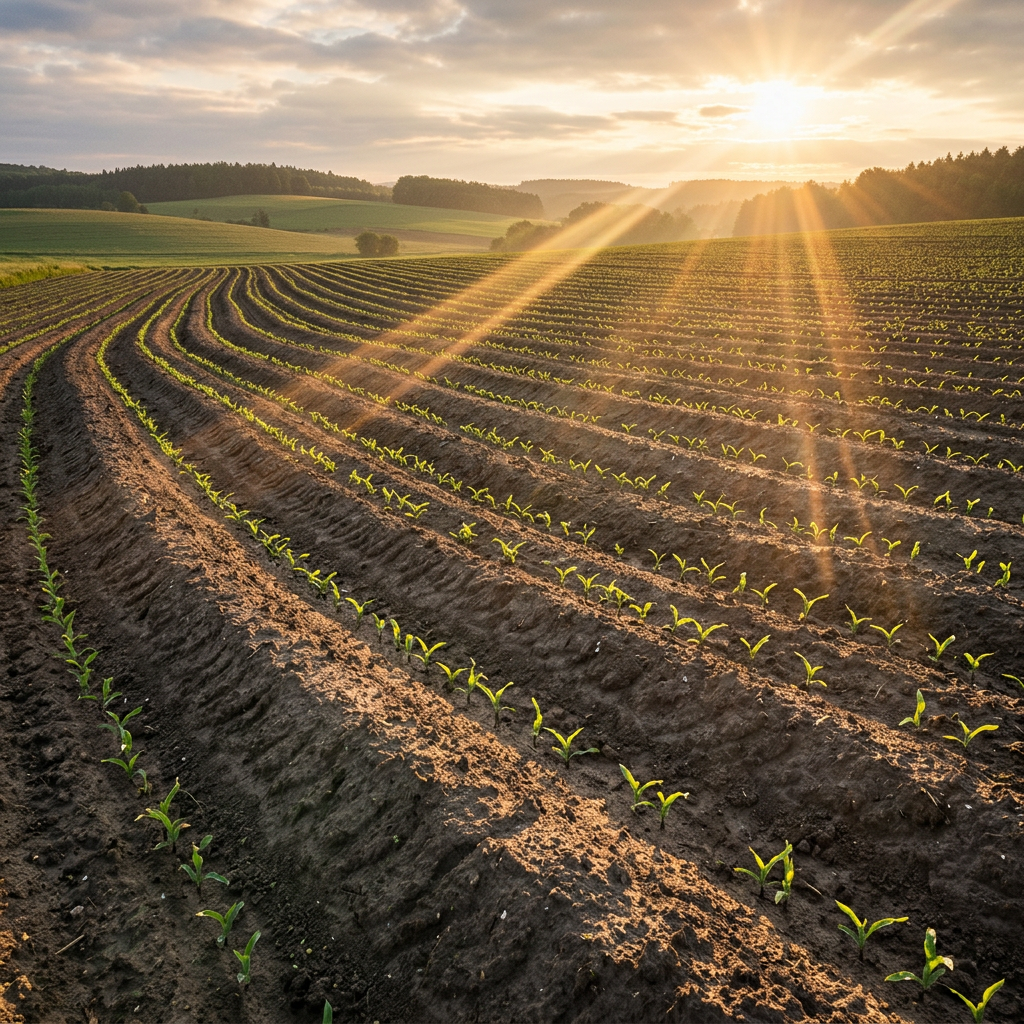
Pip: Classroom Mothership Earth — where the astrological, the political, and the deeply personal all share one frequency, and somehow it holds together.
Mara: Today we’re working through a piece by Ari Joshua Bouse that moves across a lot of terrain — political transition, the Aquarian Age, disclosure, and the spiritual calendar between winter and spring. Let’s start with that overarching question of where we actually are right now.
Pip: The frame here is a moment of overlap — a political transition happening inside a much larger cosmic one, and the question of how those two timescales interact when you’re trying to stay grounded.
Mara: The post anchors that overlap in the seasonal calendar, and near the end it lands on Groundhog Day specifically: “Meditation on the in between times, mystical, mysterious energies, inner planes, echoing silence, void, and heartbeat” are offered as the right callbacks for this moment.
Pip: So the upshot is that Groundhog Day isn’t a punchline here — it’s the midpoint between Winter Solstice and Spring Equinox, and the post treats that threshold as genuinely instructive about how change actually moves.
Mara: Right, and that’s the structural argument running through the whole piece. The political relief of a new administration fades fast — the post is direct about that — because the chattering monkey mind starts up again quickly. The deeper shift is astrological: a move from the Pisces Age to the Aquarian Age, measured in millennia, not election cycles.
Pip: Which is a useful corrective to anyone who thought January 20th was the finish line.
Mara: The post makes a careful point there about the people on different sides of that political moment. It says that most Trump voters “are not Nazis, Klan members or racists” but have been shaped by a divisive mindset that pushes everyone toward an us-versus-them frame — and that neither progressive nor conservative values hold a monopoly on the way forward.
Pip: And then it pivots — genuinely pivots — into UFO disclosure, which lands as less of a detour than you’d expect, because the argument is that ET concern for Earth is tied to humanity’s development of nuclear weapons. The stakes are planetary either way.
Mara: The post treats disclosure as a process, not an event. And it closes with something practical: I-messages, feeling statements, the right to say “I feel offended by that comment” and stand there without having to defend it. Personal authority as the ground-level version of the same sovereignty the post argues for cosmically.
Pip: Spring is underground. It’s firing, just not visible yet — which is maybe the whole thesis in one image.
Mara: The thread through all of this is the in-between — politically, seasonally, cosmically. The darkness isn’t the destination; it’s the passage.
Pip: You can’t get to the light if you won’t go through the dark. We’ll be back with more from Classroom Mothership Earth.
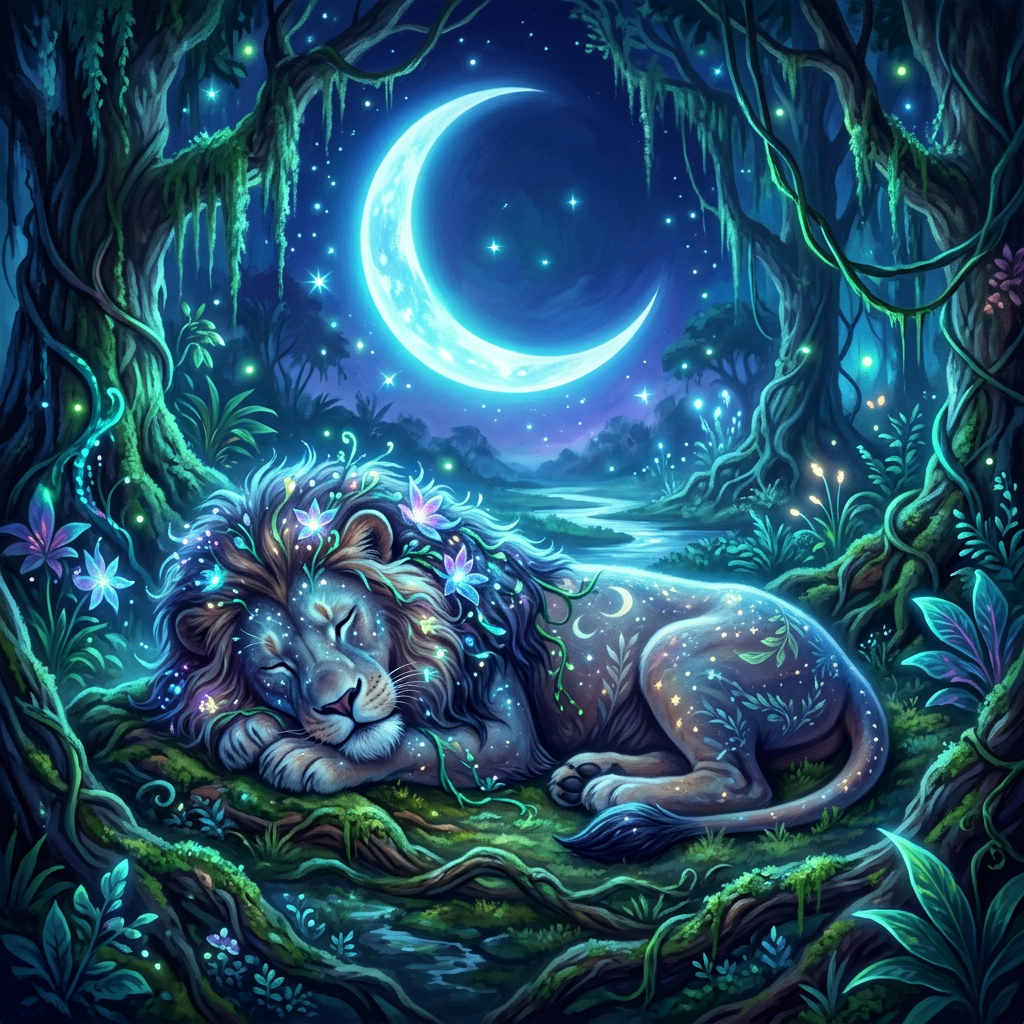
“We are not human beings having a spiritual experience. We are spiritual beings having a human experience.”
-Pierre Teilhard de Chardin
Please enjoy the following videos below that capture the sentiment. Perhaps listening to them together in peaceful alignment, will be music to your ears, if you’ll pardon the pun . . .
We Shall Overcome
A Full Strawberry Moon on June 29 reflects lineage connections to the Algonquin and other North American nations who noticed the connection between the wild berry harvest to this Full Moon.
Also, Mercury will be in Retrograde on June 29 – July 23. These energies are in alignment with slowing things down, reflecting on the past, and focusing on the here and now.
Energetically, Mercury in Retrograde is a good time to be mindful of subconscious thoughts, including past programming. These energies can be a healing and highly intuitive time when we work with its energies intensionally.
Moreover, our psychic abilities and dreams can become triggered so that we can tap into deeper insights by working with our subconscious minds in ways where the unseen realms yield useful information to light our way.
A colorful New Moon in Cancer rises in the skies on July 14, 2026. Cancer season continues till July 22nd.
As always, new beginnings are in the air. And specifically, the new waves coming into the shores bring back feeling safe in family matters of the hearth, and other related activities like cooking and gardening.
Crabs are known to weather their emotional fluctuations. Might as well be mindful of co-creating a sense of belonging in the world.
Cancer the Crab is a time when we are encouraged to focus on nourishment, self-care, and our emotional health that breathes in a softer tone that supports reconnecting with ourselves and our hearts. Crabs reflect emotional sensitivity and tapping into the feeling realm.
Remember there is God in forgiveness, and it can be good to get out of our heads; especially when getting seduced into negative self talk narratives.
Or perhaps merely an atheistic appreciation the mysterious forces of Nature are enough to be shelter from the storm.
Looking ahead, a Full Buck Moon will happen on July 29. This Moon gets its name from the Native American observation that male deer antlers began growing in late spring and reach peak growth in July. Many Native Alaskans called this moon the Salmon Moon for its timing with salmon runs.
Whereas in Celtic culture, this moon has been known as the Wyrt (Wort), Mead or Herb Moon because most herbs can withstand harvesting by July. And in Anglo Saxon lineage, this moon was known as the Hay Moon. Bees buzzing out and about reinforce that honey is the elixir of life.
It is important for all humans to remember our shared history. This includes our lineage connections to our indigenous ancestral roots that are part of our planetary history before Colonization. This has impacted everyone and continues to do so.
Of course knowing our spiritual roots connects to that truth as well. Because we all have stardust in our DNA, not to mention oral traditions passed down about our cosmic connections to the Sky People.
Speaking of cosmic connections, a growing body of people are talking about Disclosure these days:
Late July’s full moon cycle amplifies a strong need for emotional freedom that can heighten emotional complexities.
Whether you’re an ET, human or otherwise; the resonate point is that harmonizing with groups can be challenging for everyone till you get into the right vibe, if you’ll pardon the multidimensional pun.
Moreover, Aquarian energies that also constitute July’s full moon cycle can intensify in those of us with strong rebellious streaks, our need to assert ourselves, and can make getting along in groups feel more challenging.
But then again, that’s just part of the human condition.
Speaking of the human condition, fear, anger and jealousy aren’t particularly healthy emotional cravings. And yet, all emotions are fleeting and transient, so we might as well see them as they are; no more or no less.
Besides, the power of community shows that people can be good mirrors for each other to reflect on what triggers us, and can shed light on better understanding of our humanity.
Finally, the tides of Leo season roll in from July 22-August 22. Tis the season to broadcast radically confident self-expression through the heart chakra, and a friendly reminder to nurture our inner child. Leo’s energies encourage movement out of the shadows, and stepping into the light with courage and passion.
Of course dominating the spotlight and always stealing the show can be blinding; as is self-stimulation as a form of meddling into the affairs of others. Besides, it can come across as an arrogant form of defensive pride.
Truly, the 3D realm we live in still carries a strong identification as an outer directed culture. Might as well see this reality as a friendly reminder that we stand in a deeper and higher personal authority when we stop chasing after happiness in the form of “praise, likes, or applause.”
May all Beings awaken to God Consciousness, Cosmic Consciousness, Unity Consciousness, Diversity within Unity, Inner Peace and the Universal Pillars of Love and Truth,
Ari
Check out this newly created experimental AI Podcast feature that aligns with my writing, compliments of WordPress.
Full Disclosure: Truly, I do take pride in my writing, and have yet to use AI for the written word. However, I have been having fun with playing around with AI for illustrations.
This version of 1 of my more recent writings stars 2 AI created characters named Pip and Mara.
Please enjoy the podcast & transcript below:
Pip: Classroom Mothership Earth — where getting unstuck, staying present, and surrendering to the universe are all on the syllabus, and somehow the homework is actually worth doing.
Mara: Today we’re covering work from Ari Joshua Bouse — one extended meditation on what it means to stop fighting your own stuckness and find your way back to the present moment. Let’s start with the heart of it: surrender as a path through.
Mara: The central question here is deceptively simple — why do we get stuck, and what does it actually mean to let go? Not as a motivational slogan, but as a lived, embodied practice.
Pip: The post opens with a Rhonda Byrne line that stops you cold: “You can’t feel good when you’re feeling bad about feeling bad.”
Mara: That’s the trap in one sentence. The secondary suffering — the judgment layered on top of the original feeling — is often what keeps people frozen far longer than the feeling itself would.
Pip: And the post gets specific about what that looks like in practice. The reflection on getting stuck on other people’s stuckness, and taking it personally, is one of the more honest things you’ll read about how entanglement actually works.
Mara: The post frames it plainly: “experience teaches that it is freeing to stay centered, and observe those entanglements soften and relax.” Letting go of victim consciousness is described as a process — peeling away layers of an onion, not a single decision.
Pip: Which is where Tai Chi enters — not as a detour, but as a structural argument. Ancient meditative movement practices, the post says, integrate the brain’s hemispheres and re-pattern the neurological system toward emotional regulation. The body is part of the solution.
Mara: The post profiles Professor Cheng Man Ching, who brought Tai Chi to the West against the explicit orders of his masters. He once said he was approximately seventy percent Confucius and thirty percent Lao Tzu, and that learning how to be human takes a very long time.
Pip: Seventy-thirty is a surprisingly precise self-assessment for someone also teaching surrender.
Mara: The post also weaves in bibliotherapy — a medium using reading, film, podcasts, and other materials to support therapeutic change, especially between sessions. It traces back to an independent study in college exploring how clients get unstuck outside the therapy room.
Pip: That thread runs all the way to Pema Chodron, whose work the post closes with — a veteran Buddhist teacher the post credits as a leading force in bringing these principles to Western audiences.
Mara: The throughline is consistent: whether it’s Tai Chi, bibliotherapy, or sitting meditation, the practice is always about carrying the insight off the cushion and into ordinary life.
Pip: Stuckness, it turns out, is less a destination than a habit — and habits, given enough momentum, can be re-patterned.
Mara: Surrender as a technology for change — that’s the real thread running through all of this.
Pip: Next time, we’ll see what else the mothership has on the curriculum. There’s always more to unpack.
Please enjoy the original post that inspired this podcast at the link below:
Take care of yourselves everyone,
Ari

